Secondhand Smoke: What You Can Do
Remember, there is no risk-free level of exposure to secondhand smoke. The U.S. Surgeon General has concluded that breathing even a little secondhand smoke poses a risk to your health. The only way to fully protect yourself and your loved ones from the dangers of secondhand smoke is through 100% smoke-free environments.

- Choose restaurants and bars that are smoke-free. Thank them for being smoke-free.
- Let owners of businesses that are not smoke-free know that smoke bothers you. Tell them a “no smoking” section is not good enough.
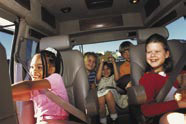
Protect your children’s health
- Do not allow anyone to smoke near your child.
- Do not smoke or allow others to smoke in your home or car. Opening a window does not protect your children from smoke. Use a smoke-free day care center.
- Do not take your child to restaurants or other indoor public places that allow smoking.
- Teach older kids to stay away from secondhand smoke.
If you are a smoker, the single best way to protect your family from secondhand smoke is to quit smoking. In the meantime, you can protect your family by making your home and vehicles smoke-free and only smoking outside. A smoke-free home rule can also help you quit smoking.
Join the national trend. Take the Smoke-free Home Pledge by calling the toll-free Smoke-free Home Pledge Hotline at 1-866-SMOKE-FREE (1-866-766-5337) or visiting www.epa.gov/smokefree/.
To access a telephone quitline serving your area, call 1-800-QUIT-NOW (1-800-784-8669) or visit http://www.smokefree.gov/.
Information contained in this article has been taken directly from The Health Consequences of Involuntary Exposure to Tobacco Smoke: A Report of the Surgeon General. Secondhand Smoke: What it Means to You. U.S. Department of Health and Human Services, Centers for Disease Control and Prevention.
For more information:
Go to the Smoking and Tobacco health topic.